Biology · Non-communicable Diseases
Knowledge organiser
The whole chapter on two pages. Print it on A4 — they are already landscape — or cover a box and see how much of it you can say from memory.
Biology · Edexcel Paper 1
Non-communicable Diseases
Non-communicable Diseases and their Causes
Most deaths in the world are caused by diseases that you cannot catch from anyone.
- Non-communicable disease A disease that is not caused by a pathogen and cannot be passed from one person to another.
- Risk factor Something that increases the chance of developing a disease.
- Cardiovascular disease A disease of the heart or blood vessels.
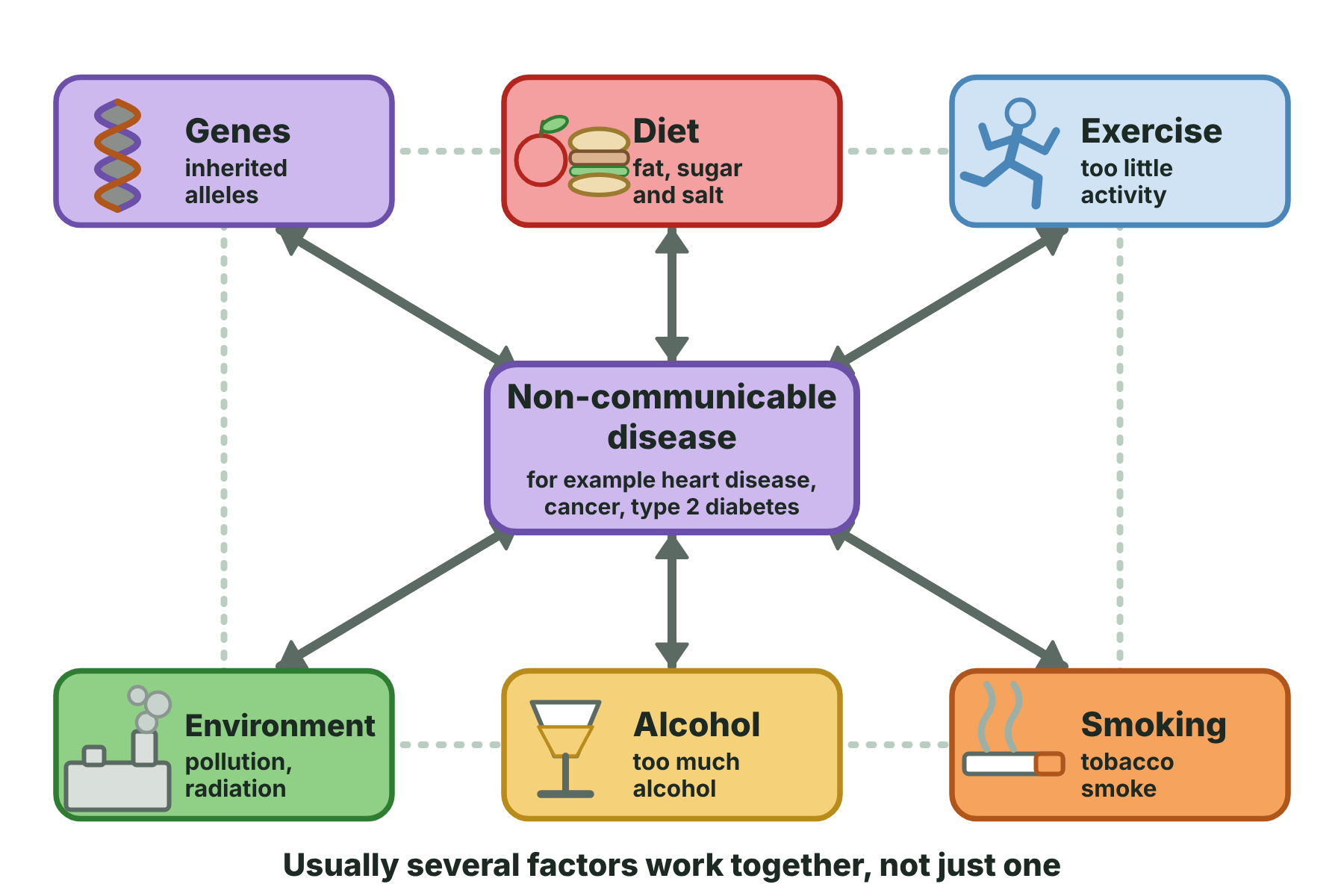
Communicable and non-communicable diseases
- Communicable diseases Caused by a pathogen such as a virus or a bacterium; Can be passed from person to person; Often develop quickly, and may last a short time
- Non-communicable diseases Not caused by a pathogen, and cannot be passed on; Have several causes, including genes and lifestyle; Often develop slowly, and last a long time
Cancer
Cancer is not one disease but over 200, and nearly all of them start with a change in a single cell.
- Cancer A disease in which cells divide in an uncontrolled way.
- Tumour A lump of abnormal cells.
- Benign tumour A tumour that stays in one place, and does not spread.
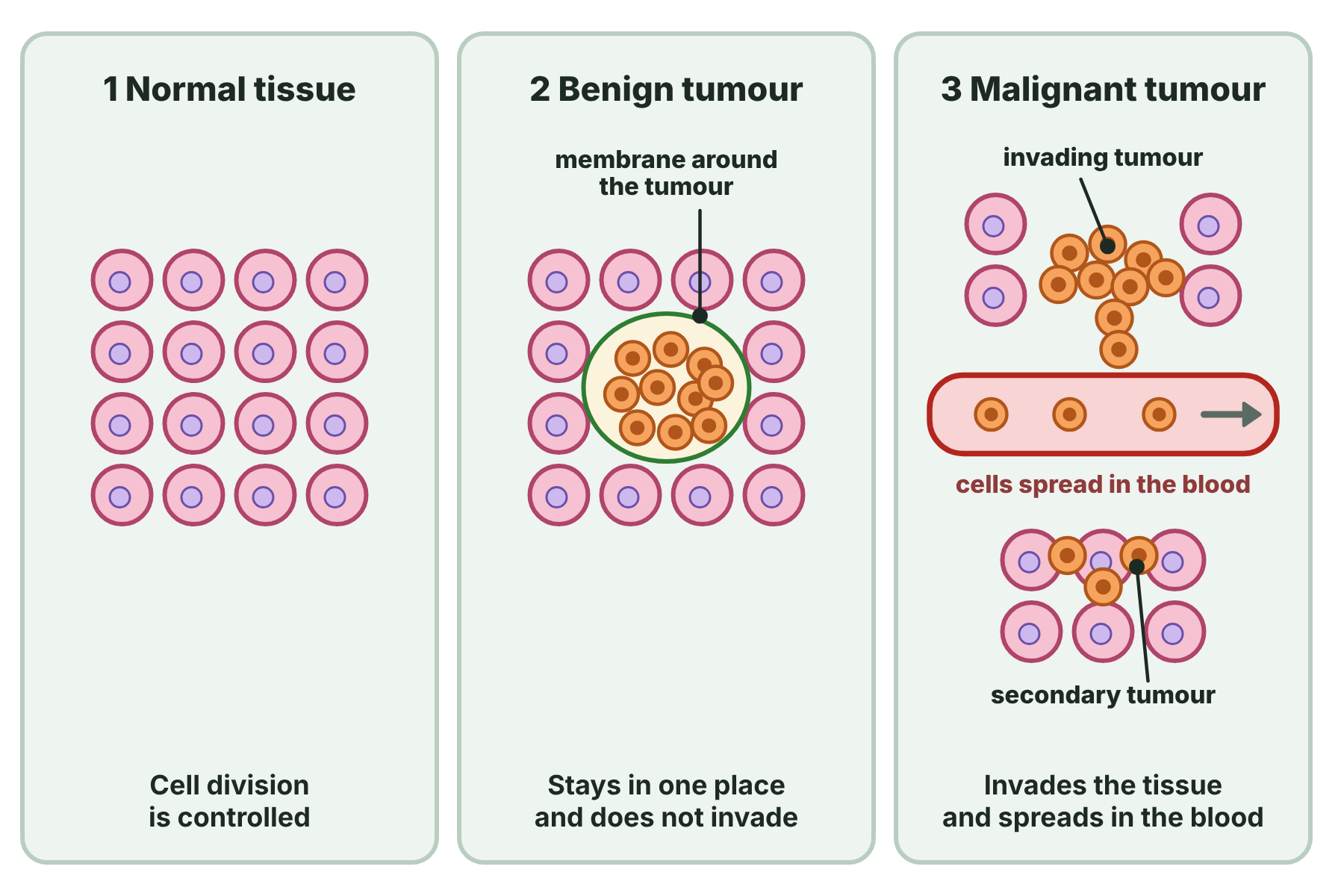
Benign and malignant tumours
- Benign tumour Grows slowly; Stays in one place, often inside a membrane; Does not invade the neighbouring tissues
- Malignant tumour Grows quickly; Invades the neighbouring tissues; Cells travel in the blood to other parts of the body
Diet, Obesity and BMI
Food gives you the energy you need, but the wrong amount, or the wrong kind, can harm you.
- Malnutrition A diet that is out of balance, with too little or too much of some nutrients.
- Obesity Having a very high level of body fat.
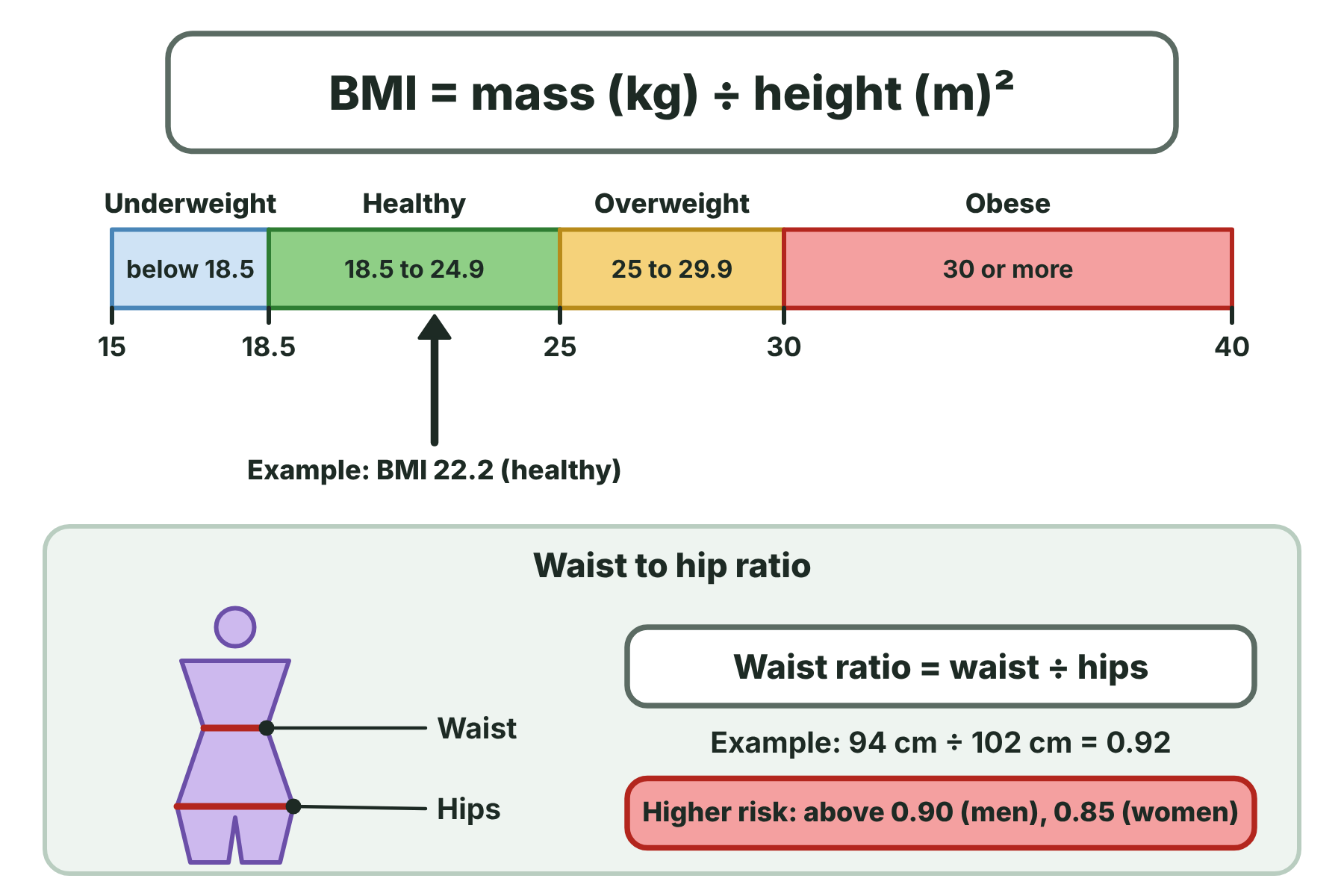
- Body mass index A measure of body mass compared with height, found by mass divided by height squared.
Biology · Edexcel Paper 1
Non-communicable Diseases continued
Alcohol and Smoking
Alcohol and tobacco are both legal, and both cause a great deal of preventable disease.
- Cirrhosis Permanent scarring of the liver, which stops it working properly.
- Unit of alcohol 10 ml of pure alcohol.
- Nicotine An addictive drug in tobacco smoke, which raises heart rate and blood pressure.
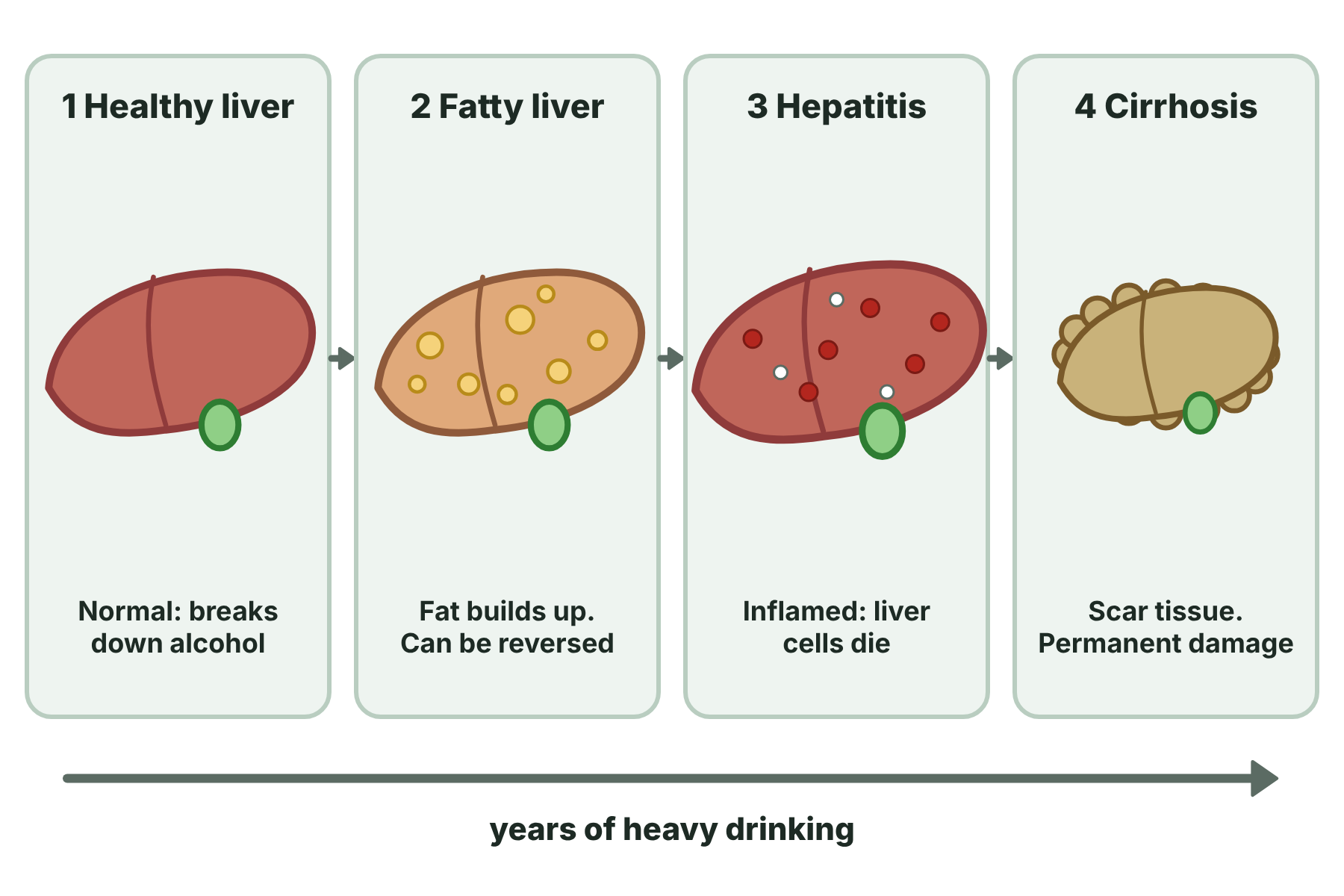
Alcohol and smoking compared
- Alcohol Broken down by the liver; Heavy drinking leads to fatty liver, hepatitis and cirrhosis; Slows reaction times, so accidents are more likely
- Smoking Nicotine, carbon monoxide and tar are the harmful chemicals; Causes lung cancer, emphysema and bronchitis; Passive smoking harms other people
Treating Cardiovascular Disease
Cardiovascular disease is the world's biggest killer, and it can be treated in several ways.
- Coronary artery An artery that supplies the heart muscle with blood.
- Statin A drug that lowers the level of cholesterol in the blood.
- Anticoagulant A drug that makes the blood clot less easily.
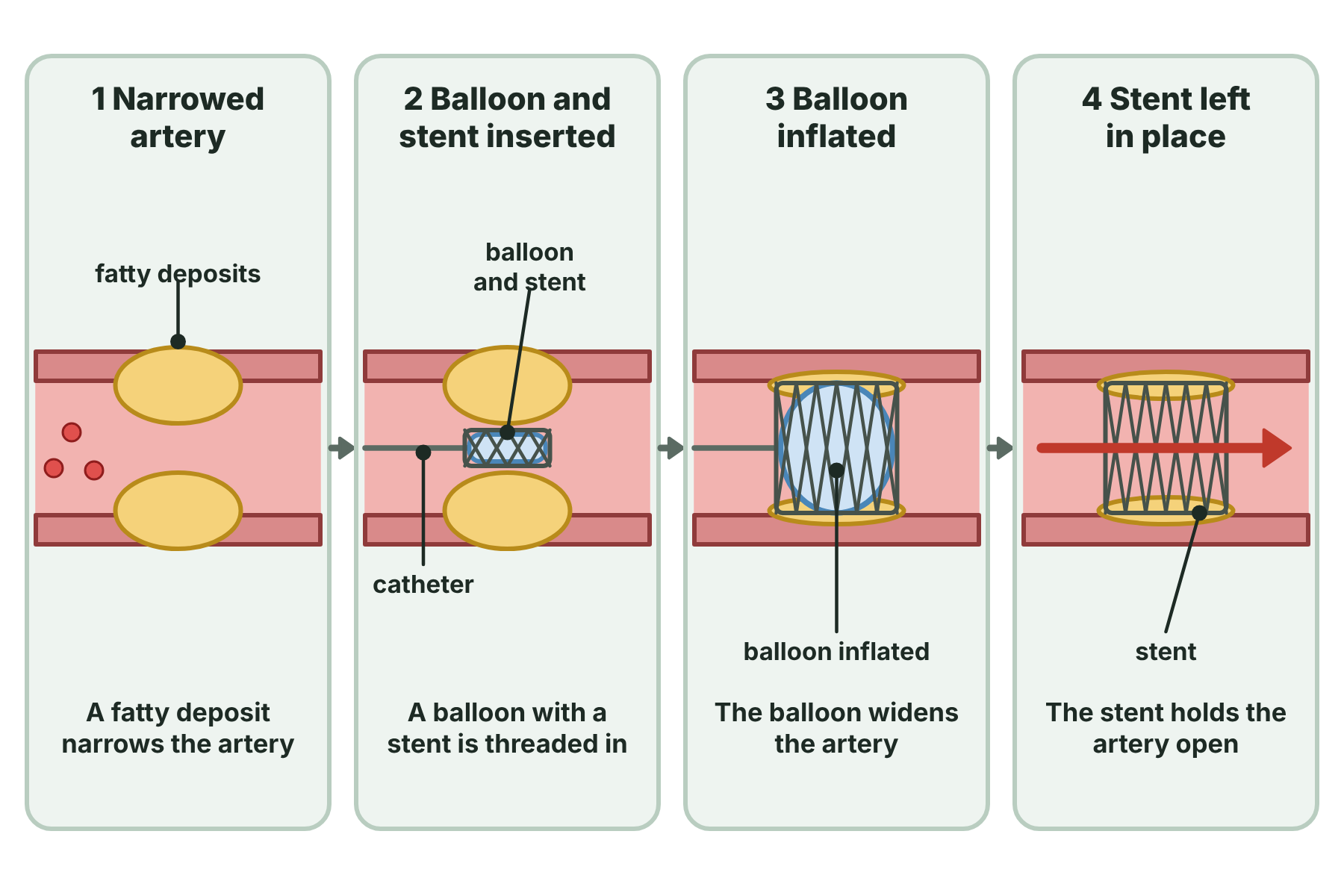
Medication and surgery
- Life-long medication Tablets, taken every day; Cheap and non-invasive; Reduces the risk and slows the disease
- Surgery Operation such as a stent, bypass or transplant; Expensive, and needs a stay in hospital; Restores blood flow or replaces a part, at once