Flashcards · Biology · Photosynthesis
Uses of Glucose from Photosynthesis
-
What are five uses of glucose in a plant?
Respiration, starch, fats and oils, cellulose, and amino acids for proteins.
-
Why is glucose used in respiration?
To release energy for the plant's life processes.
-
Why is glucose converted to starch for storage?
Starch is insoluble, so it does not affect osmosis, and it stores a lot in a small space.
-
What is cellulose used for?
To strengthen the cell walls.
-
Why are fats and oils stored in seeds?
They are a store of energy for the young plant.
-
What does a plant need to make amino acids?
Glucose and nitrate ions.
-
Where do nitrate ions come from?
They are absorbed from the soil.
-
What are proteins made from?
Amino acids.
-
What is the test for starch?
Add iodine solution. It turns blue-black.
-
What is the test for glucose (a sugar)?
Add Benedict's reagent and heat. It turns green, yellow, orange or brick red.
-
What is the test for protein?
Add Biuret reagent. It turns purple.
-
What happens to iodine solution in the presence of starch?
Orange-brown to blue-black.
-
Why do farmers add fertiliser?
To provide nitrate ions for plants to make proteins.
-
Where do plants store starch?
In roots, tubers, seeds and fruits.
-
How is glucose carried round a plant?
In the phloem.
-
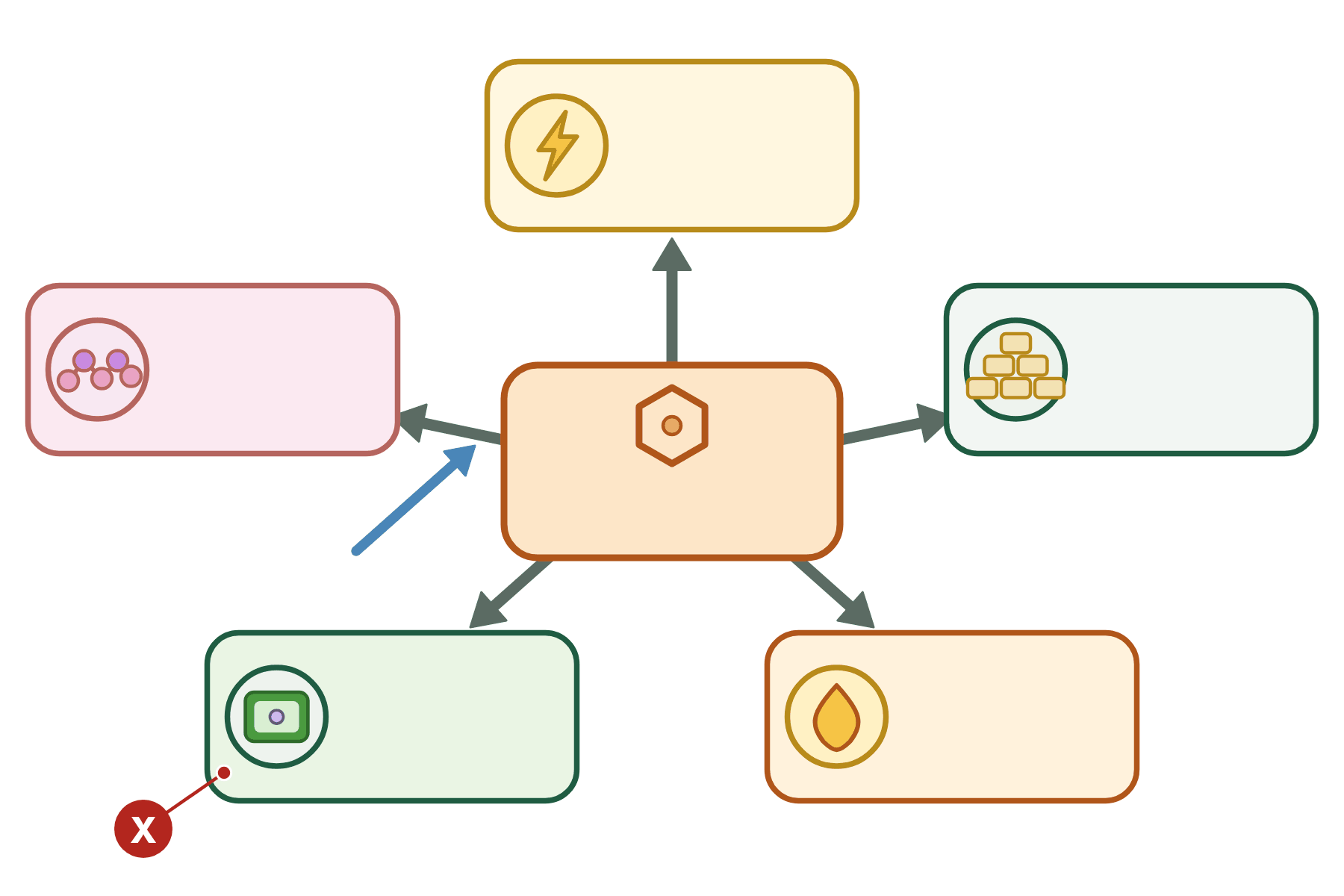 Name the use of glucose marked X and say what it does.
 Cellulose. It is made from glucose and strengthens the plant's cell walls.
-
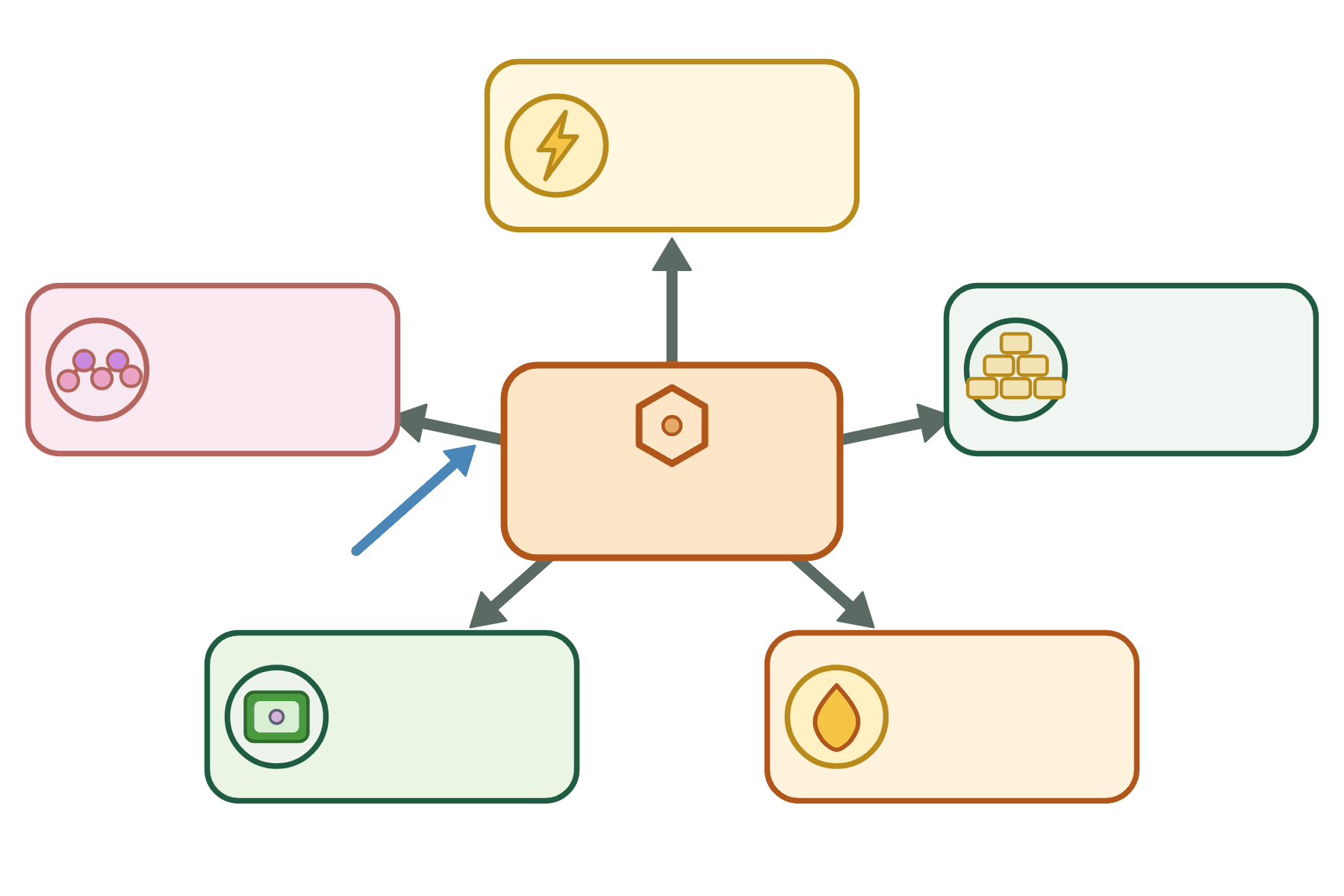 Name the five uses of glucose.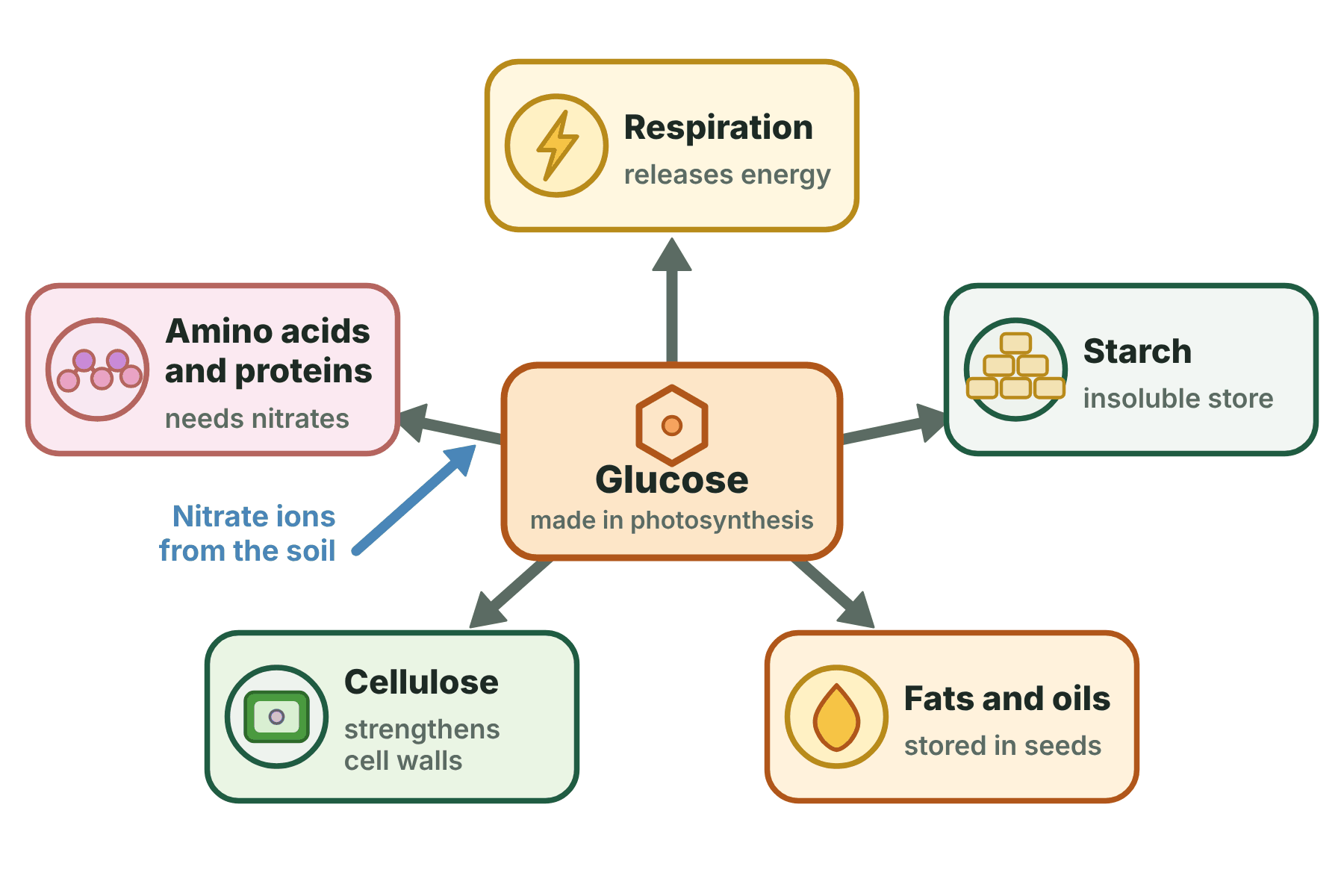
Respiration (energy), starch (insoluble store), fats and oils (stored in seeds), cellulose (cell walls) and amino acids for proteins (with nitrate ions).