Flashcards · Biology · Respiration and Metabolism
Metabolism
-
What is metabolism?
The sum of all the reactions in a cell or the body.
-
What controls the reactions of metabolism?
Enzymes.
-
What is the energy from respiration used for in metabolism?
To synthesise new molecules.
-
What is made from glucose in plants for storage?
Starch.
-
What is made from glucose to strengthen plant cell walls?
Cellulose.
-
What do animals store glucose as?
Glycogen.
-
What molecules join to make a lipid?
One glycerol and three fatty acids.
-
What is a protein made from?
Amino acids.
-
What is used to make amino acids in a plant?
Glucose and nitrate ions.
-
What is made when excess protein is broken down?
Urea.
-
What happens to urea?
It is excreted.
-
What are carbohydrates broken down into?
Sugars.
-
What are proteins broken down into?
Amino acids.
-
What are lipids broken down into?
Fatty acids and glycerol.
-
Name the five examples of metabolism in the specification.
Starch, glycogen and cellulose from glucose; lipids; amino acids and proteins; respiration; breakdown of excess protein to urea.
-
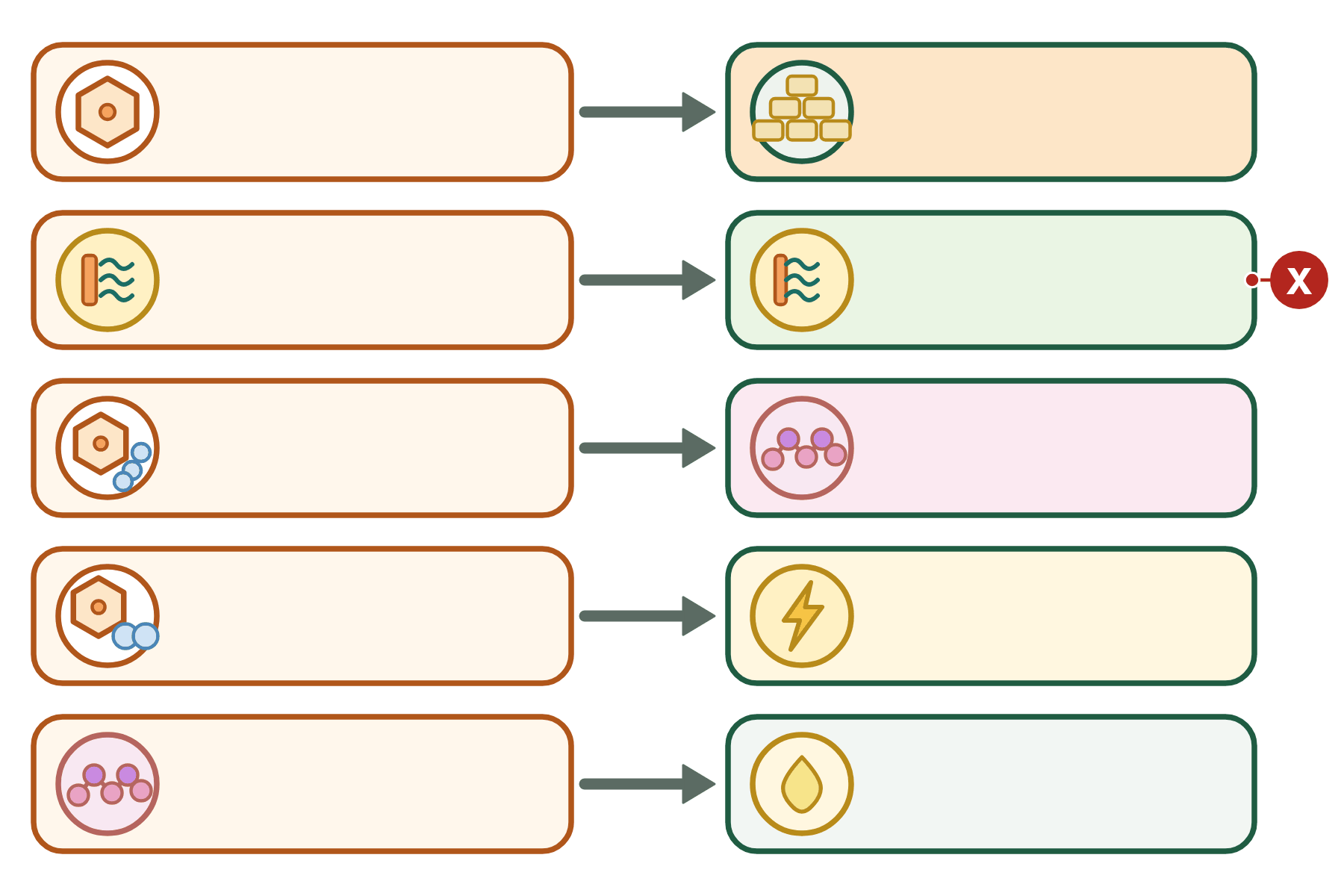 Name the product marked X and say what it is made from.
 A lipid. It is made from one molecule of glycerol and three molecules of fatty acids.
-
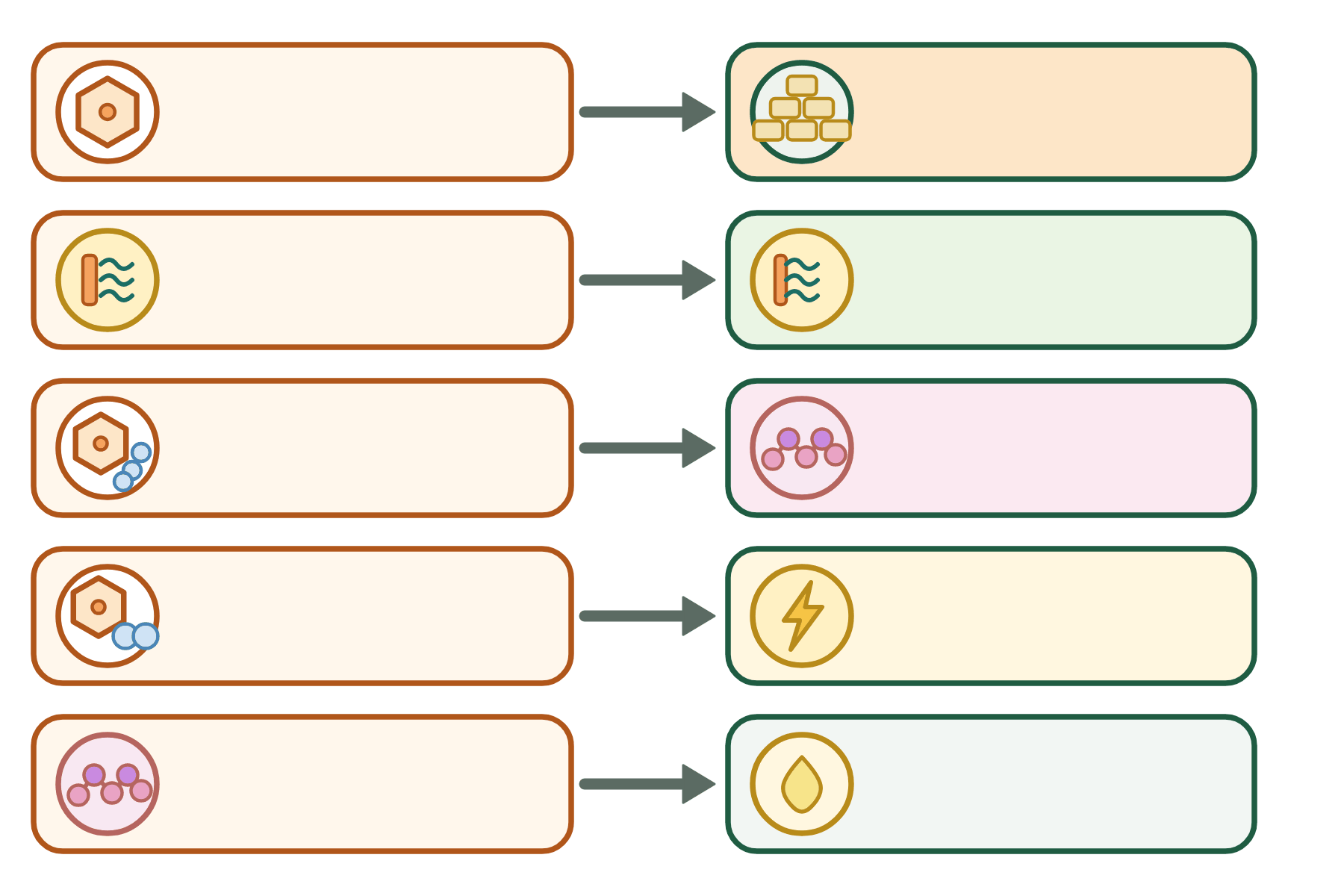 Name what goes in and what is made in each reaction.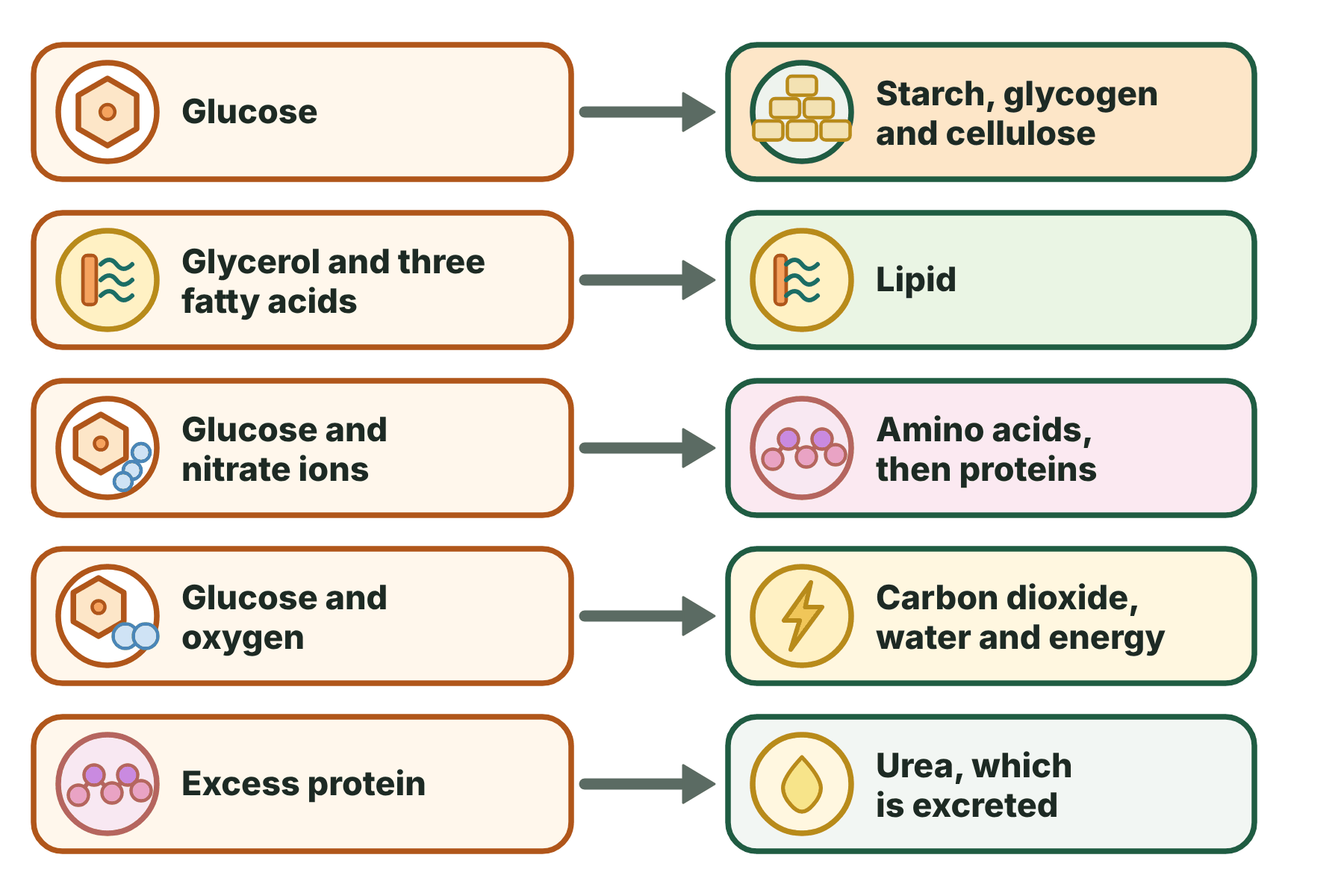
Glucose makes starch, glycogen and cellulose. Glycerol and three fatty acids make a lipid. Glucose and nitrate ions make amino acids, then proteins. Glucose and oxygen make carbon dioxide, water and energy. Excess protein makes urea.
-
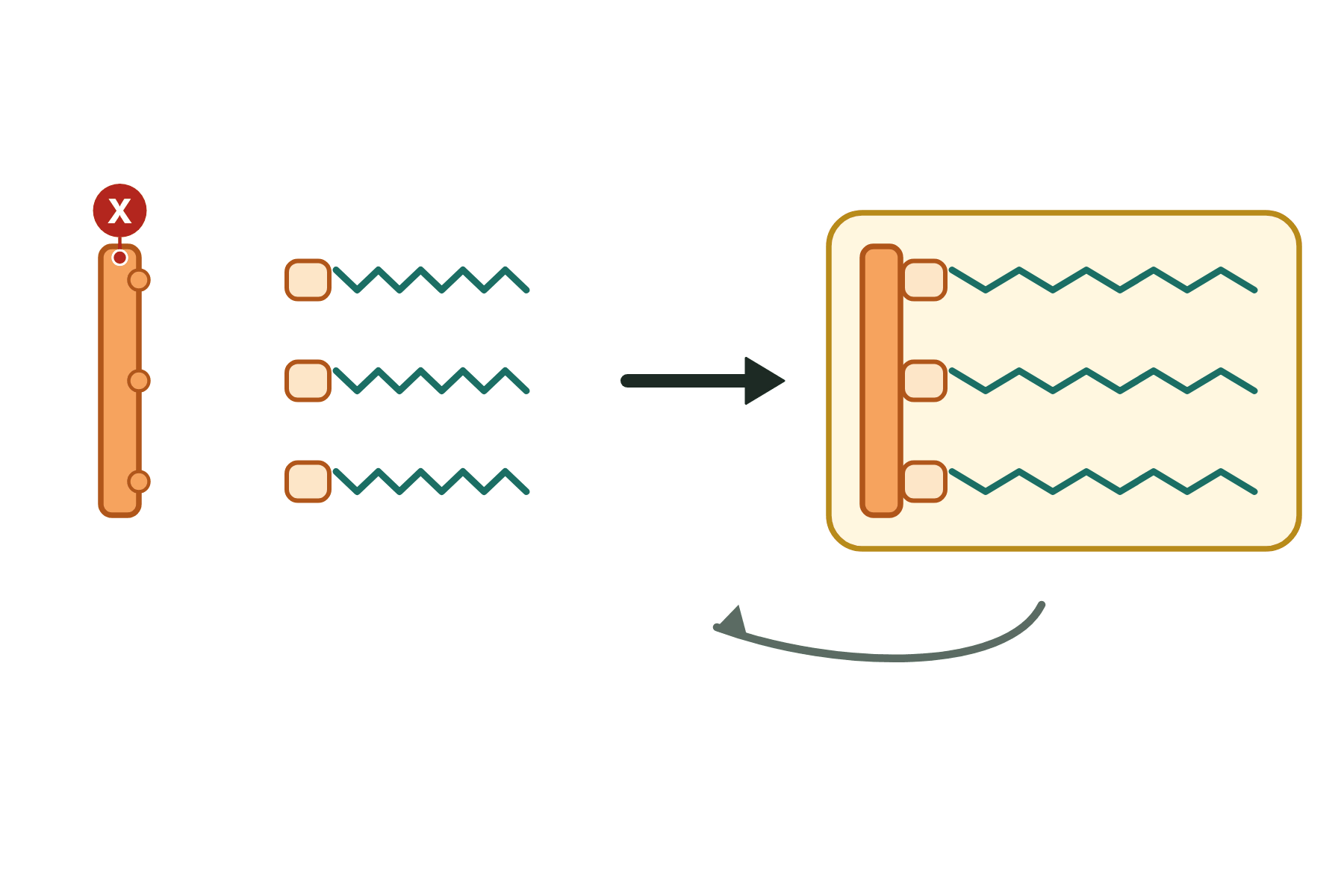 Name the part marked X.
 Glycerol. One molecule of glycerol joins with three molecules of fatty acids to make a lipid.
-
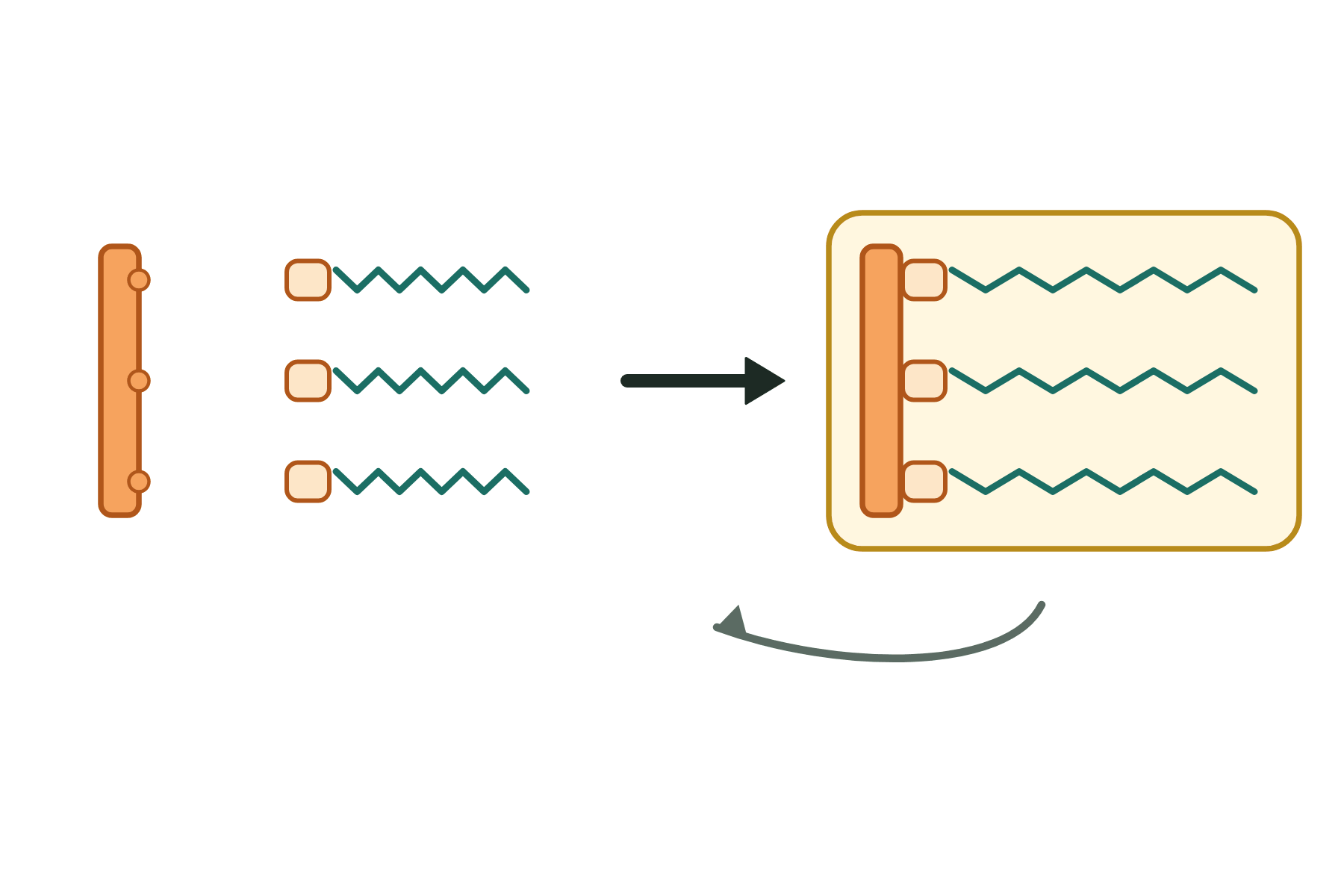 Label the diagram of how a lipid is made.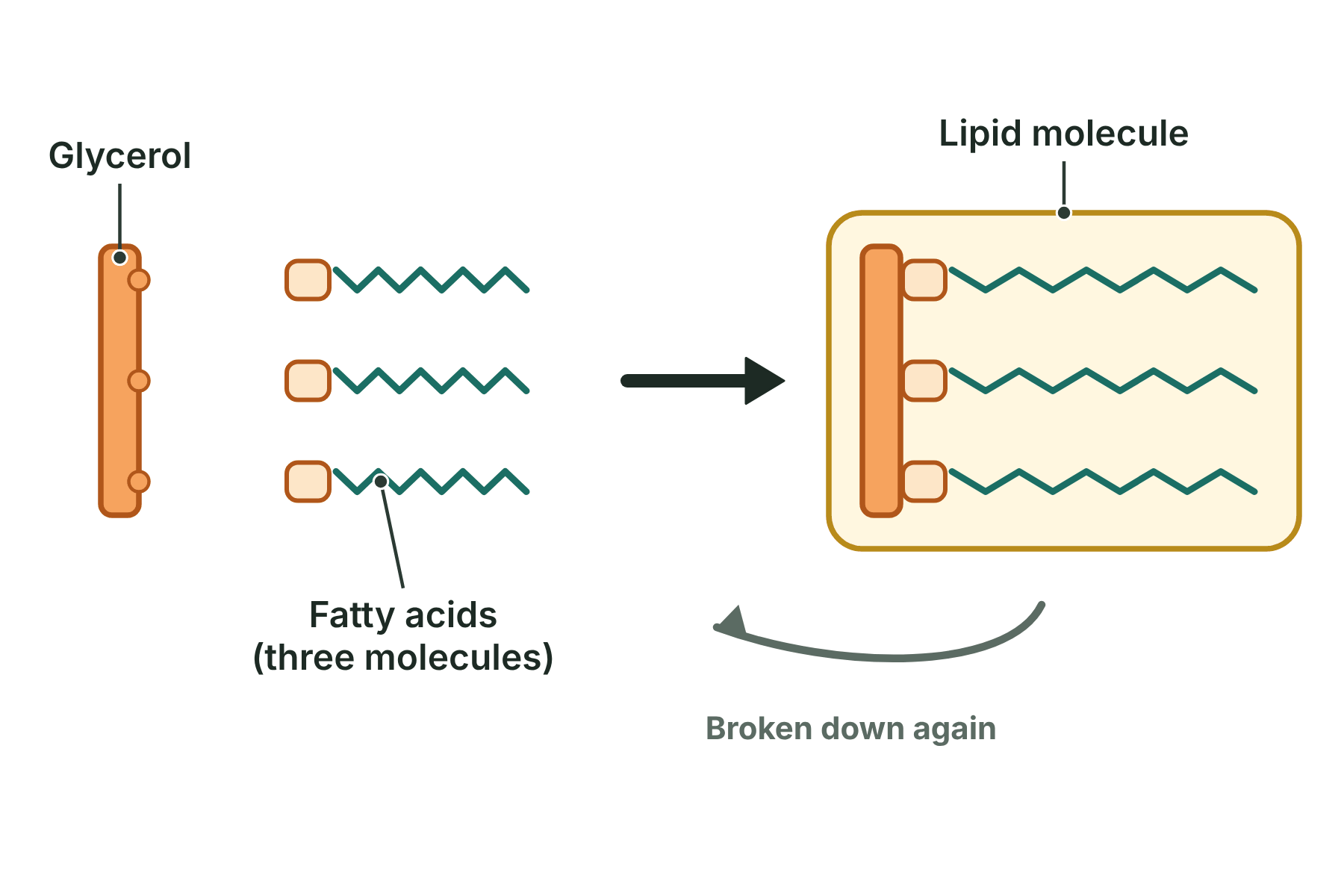
Glycerol and three fatty acids join to make a lipid molecule, and the lipid can be broken down again.